Description: Japanese traditional New Year’s dish and it is known as an auspicious dish. Its cooking style varies depending on the region. West Japan usually uses a miso base while East tends to use dashi. I am introducing what my grandmother used to cook, which is a simple and quick style, perfect for a lazy 1st day of the year. You may add more ingredients such as chicken, fish, meatballs, spinach, Chinese cabbage, daikon radish, carrot, or shiitake mushrooms.
Serves: 2
Cooking time: 10 minutes


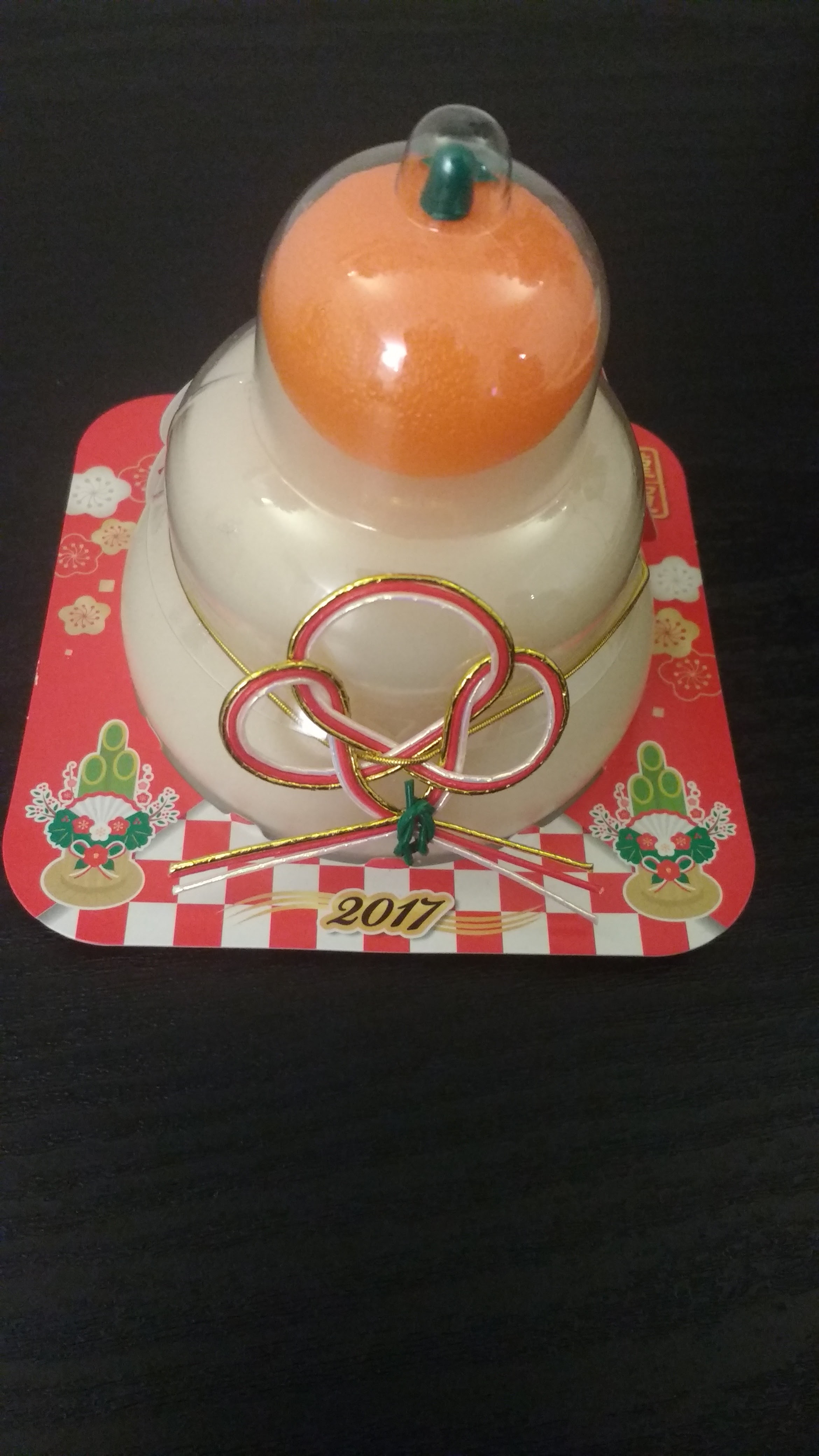
Ingredients
- Rice cake – 2 pieces or 100g
- Dashi stock – 600 mL of bonito or kombu kelp dashi stock (You may cook it from scratch – boil the water, switch the heat off, then add 25g of bonito flake wait for 3 minutes, then sieve them with kitchen paper or fine cloth. Alternatively, use extract dashi powder 4g + 600 mL of hot water)
- Soy sauce – 1 tablespoon
- Mirin – ½ tablespoon
- Sake – ½ tablespoon
- Japanese mustard spinach (alternatively, spinach or Chinese cabbage) – 100g
- Bonito Flakes – 3g
Method
1. In a large pan, make your dashi stock. Next, add the mirin, sake and soy sauce, then simmer gently for a few minutes.
2. Add the rice cake and cook for about 5 to 6 minutes. When the rice cake is about to be cooked, add the Japanese mustard spinach and boil for a couple of minutes.
3. Add some bonito flakes on top before serving.
Nutritional Values Per Serving
| Kcal | Protein | Fat | Carbs | Fibre | Sugars | Salt | Saturated Fat | Vitamin C | Folate |
|---|---|---|---|---|---|---|---|---|---|
| 155.2 | 6.4g | 0.5g | 31.1g | 1.5g | 1.2g | 1.4g | 0.03g | 65mg | 80.6mg |
| 7.8% | 12.7% | 0.7% | 12.0% | 4.9% | 1.4% | 23.1% | 0.1% | 162.5% | 40.3% |
Nutritional Tips
At the end of the year, Japanese people get very busy preparing for the upcoming big event called Oshogatsu (お正月: the most important holiday in Japan. Most businesses shut from 1st January to 3rd January) by doing a big clean-up of their houses, purchasing or preparing food to eat during the New Year holidays. They mostly spend time with their families in their hometowns. I would say it is similar to Christmas in Western countries. Therefore, New Year’s day is supposed to be full of happiness, with no stress, no work, and a clean house.
This dish is one of the very traditional Japanese dishes which is eaten on New Year’s day and is also suitable for breakfast. It is made from rice, hence it contains low fat, and is a good source of carbohydrates and protein. This soup is easy to cook and digest after all the festive food on New Year’s Eve. Mochi is very tasty but it could choke and some people died in Japan, so we should be careful not to eat a too big chunk in a go. In Japan, elderly people especially are warned so.
You may consider eating more vegetables during other meals for more vitamins and minerals along with some protein (chicken, pork, beef, fish, egg, bean pulses) and carbohydrates (pasta, bread, rice, cereals, potatoes) to achieve a balanced diet 🙂
 Mignonne Nutri-Cuisine